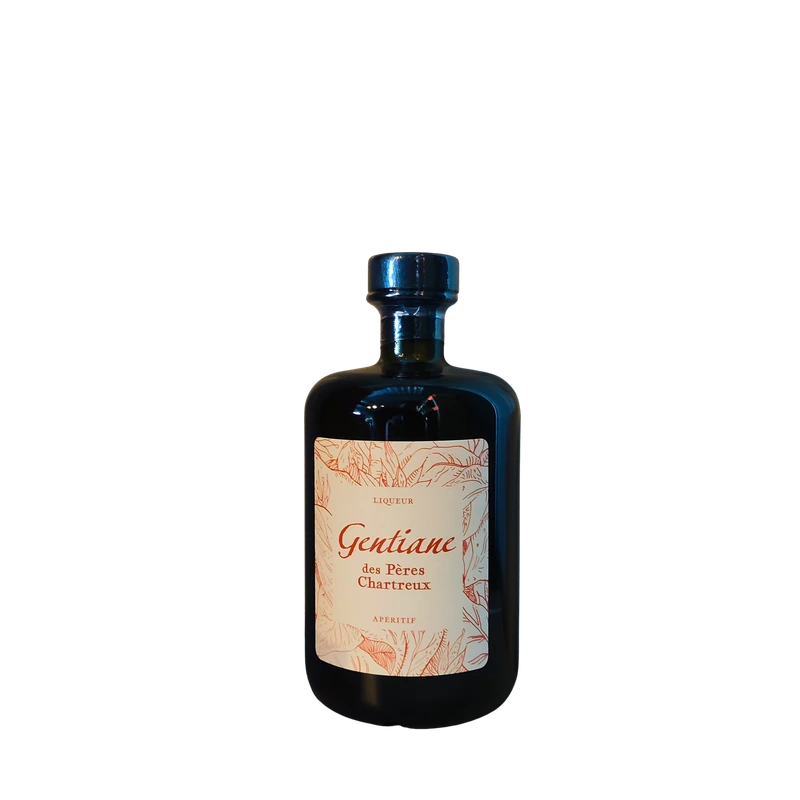
Liqueur de Gentiane Des Peres Chartreux, 70cl,
24,00 €
The Bacchus selection
Explore digestifs: compare the available bottles, their origins and styles, and find a reference suited to your tastes.
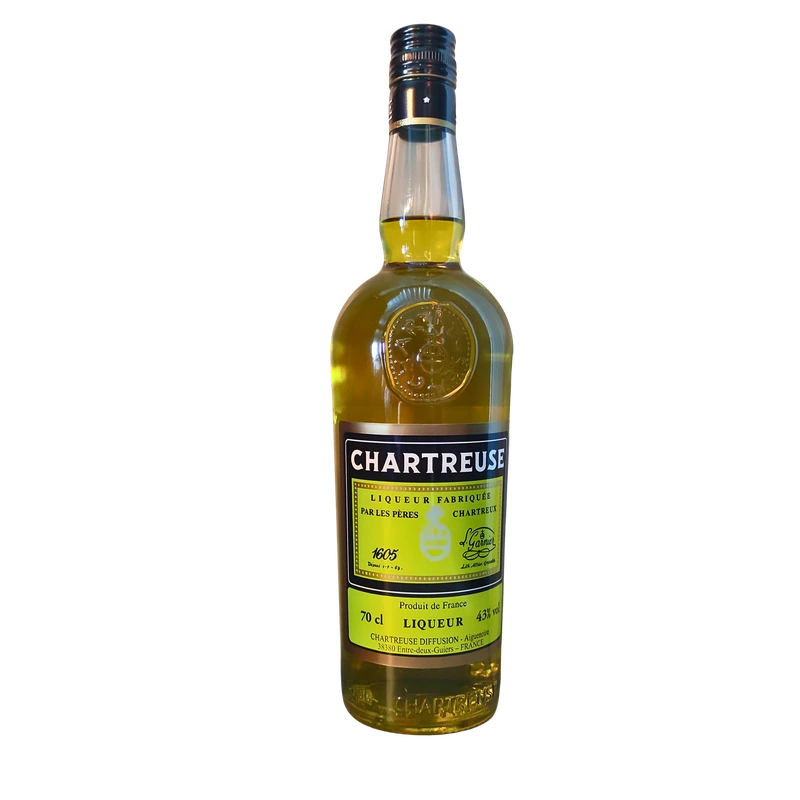
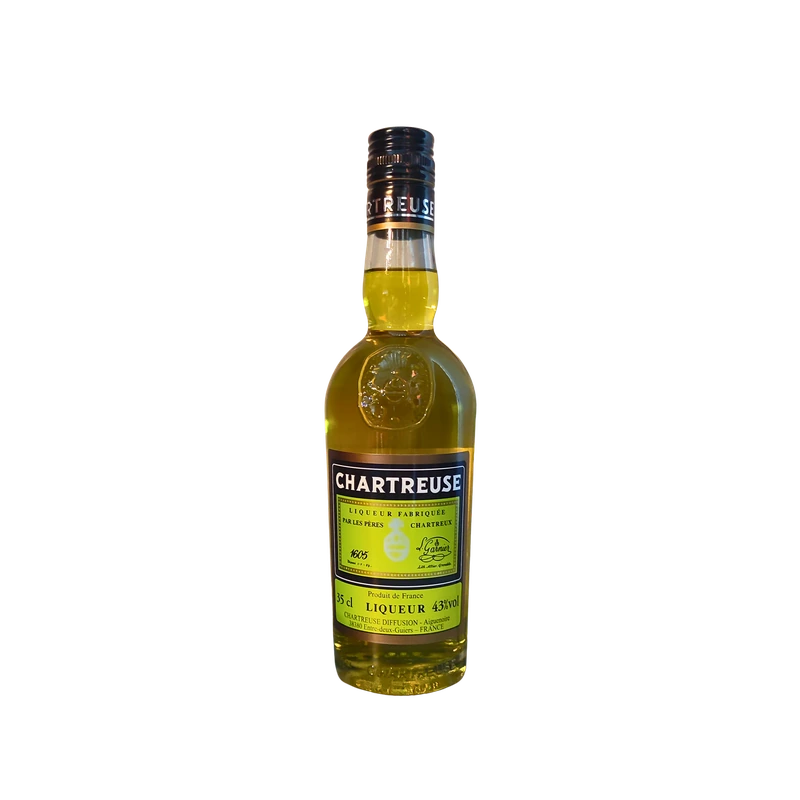
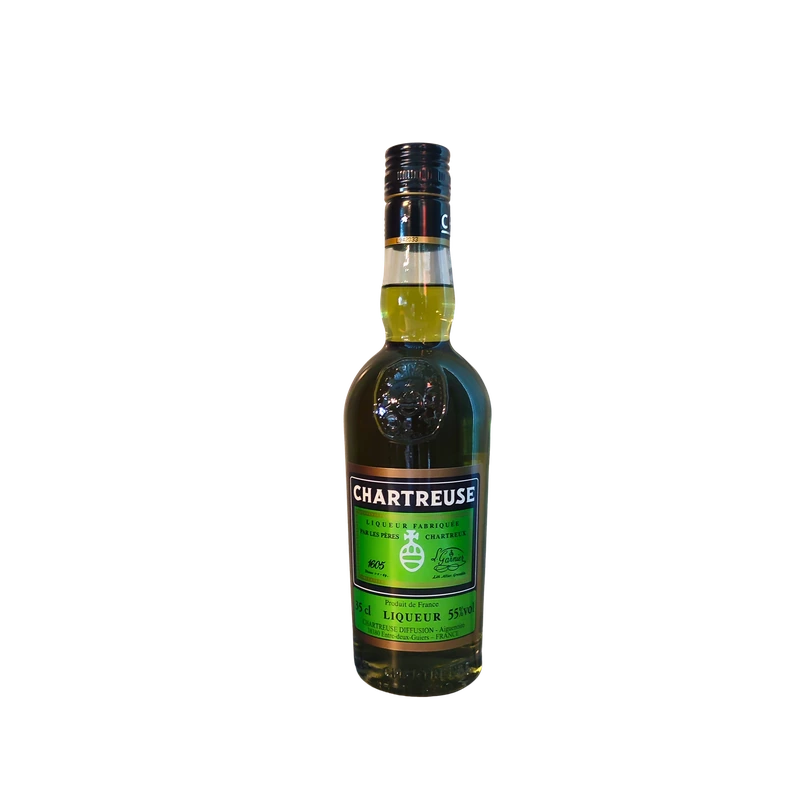
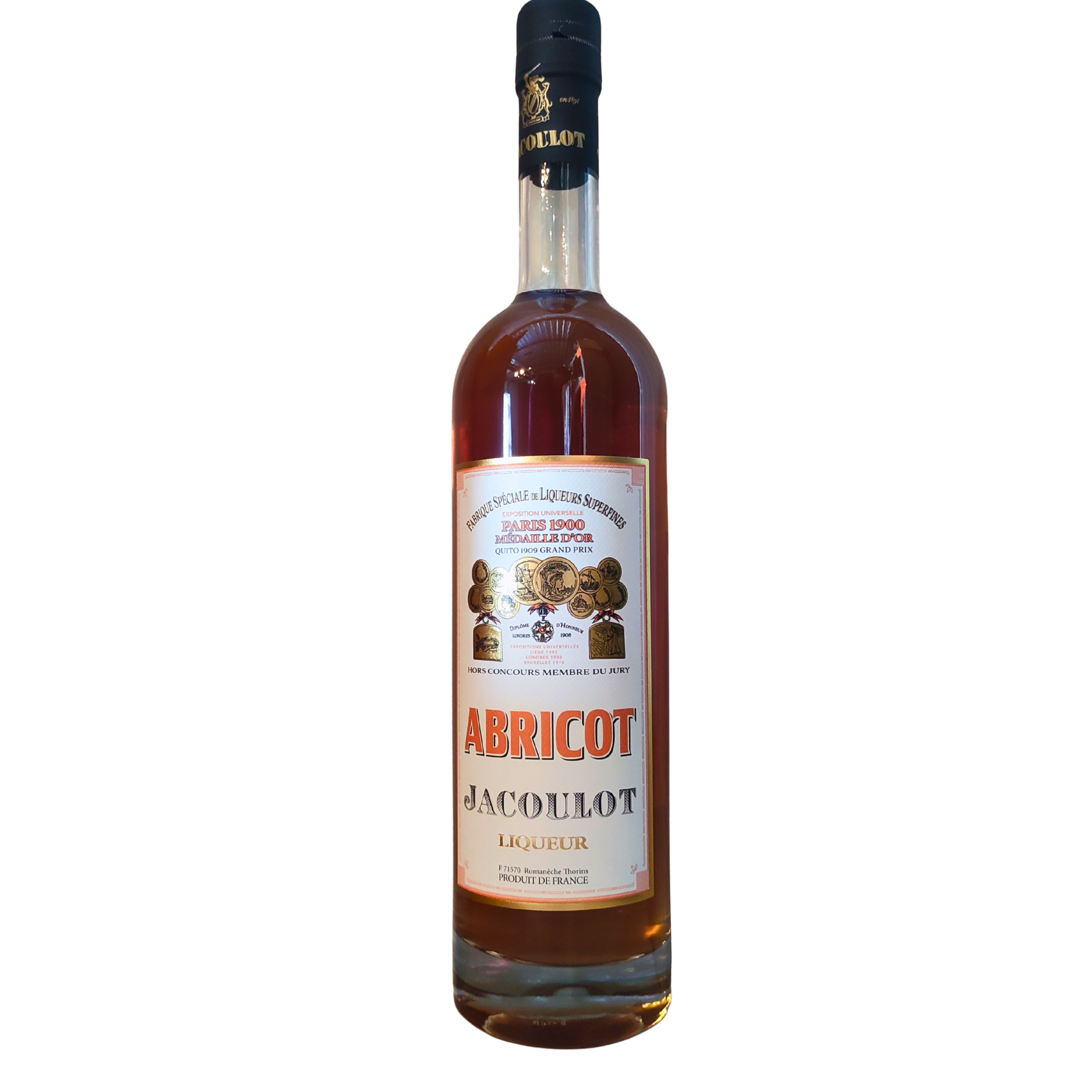
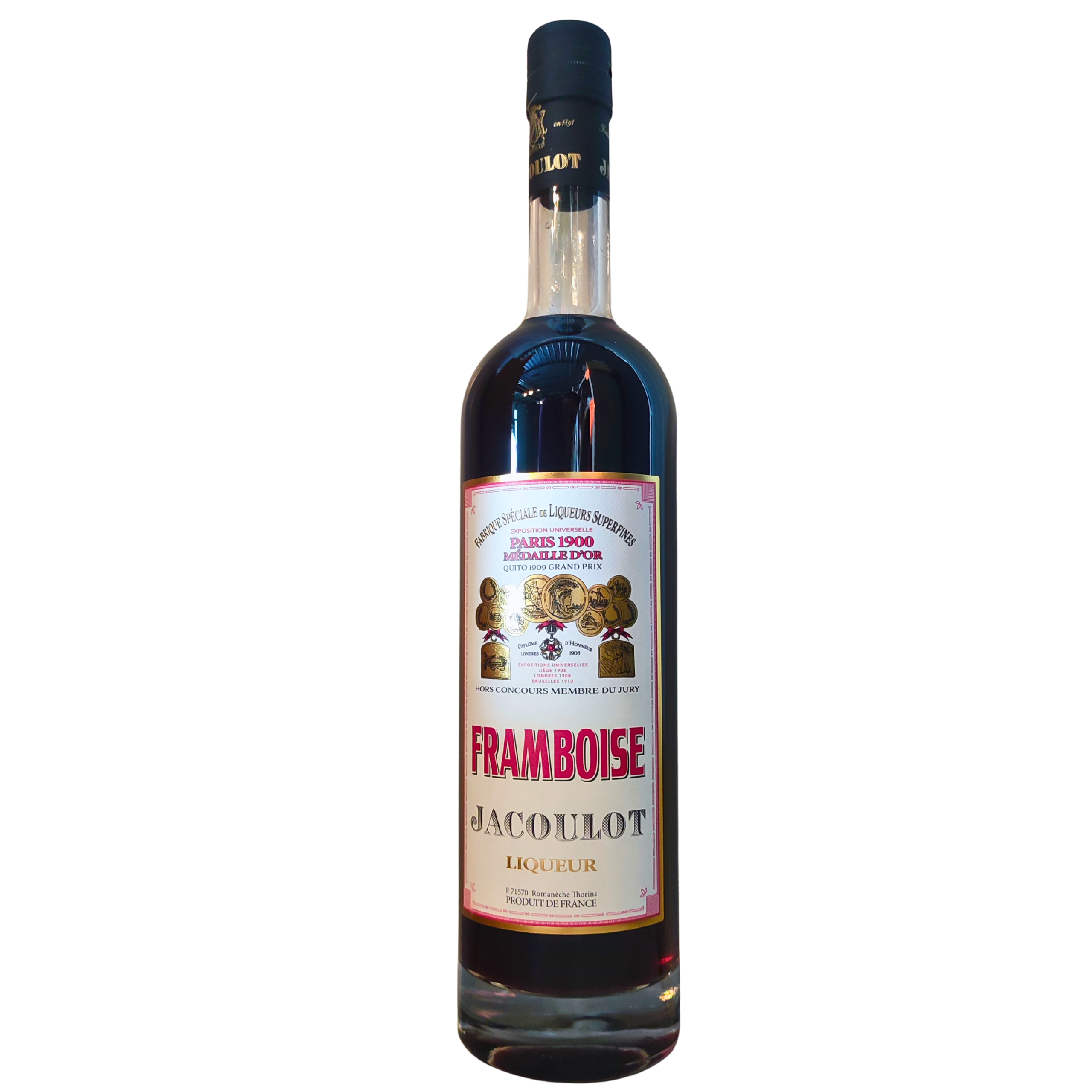
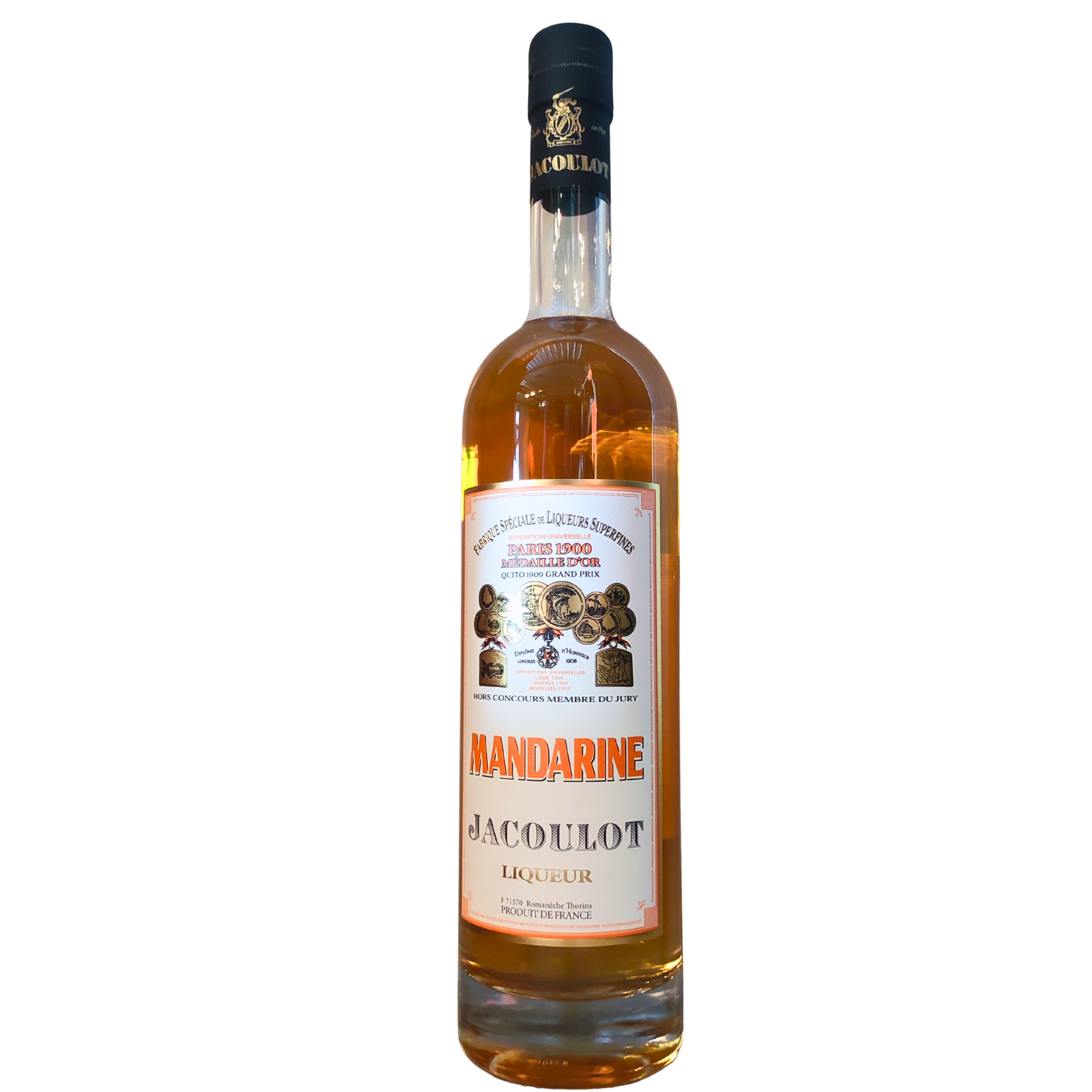
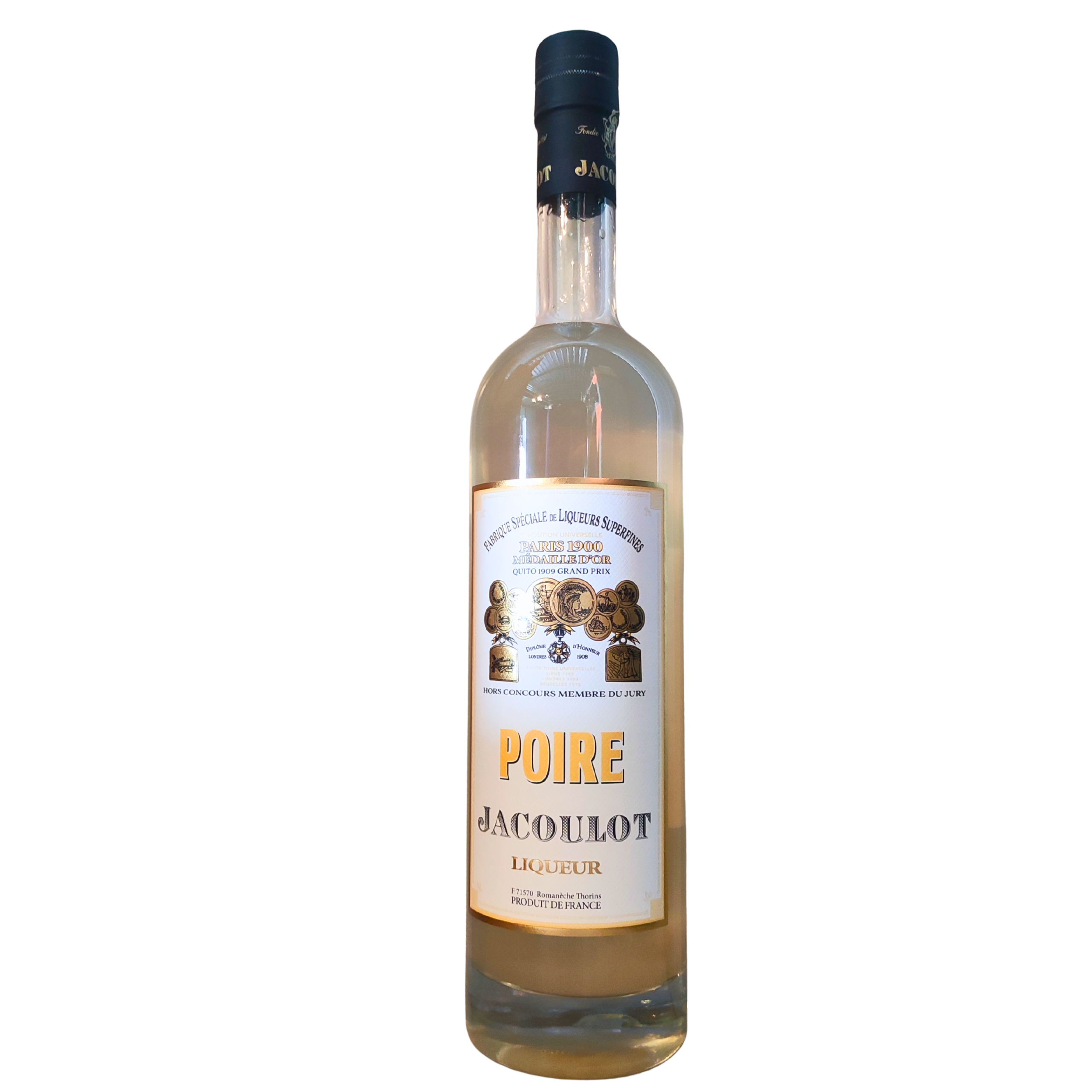
 Sale
Le guide de votre caviste
Digestif describes a traditional after-dinner use, not a single production family. Fruit spirits, liqueurs and bitters may appear in this category, without any guaranteed digestive benefit.
A distilled spirit and a sweetened liqueur are made differently. Fruit, plants, ageing and alcohol strength are more useful for understanding a bottle than the word digestif alone.
Start by identifying the exact nature of the product. A distilled spirit, a liqueur, a wine-based drink and a fermented sake cannot be compared using the same criteria. The retail category helps with navigation, but the product designation remains essential. Check the raw material, alcohol strength, any sugar and production information. Context matters too: drinking neat, cocktails, a gift or accompanying a dessert. A powerful bottle does not necessarily suit every palate. To discover a family, first look for a clear, approachable style suited to your intended use, rather than a rare edition whose particular features may make comparison less straightforward.
For your buy digestifs online, start with a simple question: what character are you looking for in the glass? A preference for fruit, freshness, sweetness or structure provides a concrete starting point. If you already know a bottle you enjoy, note the elements that explain that enjoyment rather than looking only for a similar name. You will then be able to compare products without confusing similar labels with similar tastes.
A search for an after-dinner drink may lead to pear eau-de-vie, a herbal liqueur, cognac or another aged spirit. Yet these products have neither the same production methods, sweetness nor serving requirements. The word digestif does not predict flavour: check the exact family before buying. An unaged eau-de-vie often puts fruit or raw material first; a liqueur combines other elements and sugar. After a rich meal, a measured portion and a known guest preference are better guides than a promise of helping digestion, which must not be made.
The production method explains part of the profile, but must be interpreted in the context of the product. Fermentation, distillation, maceration and ageing are different operations. Not every drink in this category spends time in a cask, and not all are distilled. When wood ageing is indicated, the type of vessel and the duration can influence the aromas. An age statement, a number of distillations or luxurious presentation is not a universal quality score. Give priority to verifiable information on the label and product page. A description of fruity, dry, bitter, smoky or sweet character will help you anticipate your enjoyment more than a simple superlative.
The styles to distinguish here include: fruit spirits, aged spirits, liqueurs and bitters. These pointers describe the family, not a promise that every expression will always be available. The product list and individual pages show what is actually offered. When information is missing, do not infer it from the bottle's name alone. Alcohol strength, size, origin and production method help you check that the product matches your search. Also consider the number of people and when the bottle will be opened: a choice suited to the occasion avoids paying for a particular feature you do not intend to explore.
fruit, plants, spices, wood and bitter notes, depending on the product: these aromatic families serve as guidelines, without guaranteeing that all will appear in every bottle. The nose and palate can evolve with temperature and time spent in the glass. For a well-chosen buy digestifs online, look for a description that distinguishes intensity, texture and finish. The words fruity and sweet are not synonymous: an impression of ripe fruit does not necessarily imply sugar. Likewise, an oaky note does not define balance on its own.
Comparing two products with similar styles helps you better understand your preferences. Note what you genuinely enjoy: a fresh attack, a fuller body, subtle aromas or a persistent finish. This personal observation is more useful than systematically seeking the most powerful or most expensive bottle. If you are discovering the family, favour a first bottle suited to your habits before exploring more unusual expressions.
After a meal, a small serving can be enjoyed alone or with a suitable dessert. Chocolate calls for a different choice from a citrus dessert; avoid piling intensity upon intensity.
The intended use helps you make a more coherent choice. For a cocktail, consider the balance with the other ingredients: citrus, tonic, sparkling water or sweet ingredients can accentuate or mask aromas. A very delicate bottle is not always suited to a recipe dominated by spice or bitterness. For drinking neat, serve a small amount and take time to observe how it develops in the glass. Food pairings are built around sweetness, freshness and intensity. A very sweet dessert can unbalance a dry drink; intense chocolate needs a profile capable of matching it. Your guests' preferences remain more important than a pairing presented as compulsory.
Your buy digestifs online can therefore start with the menu rather than a list of famous names. Think about the main dish and the desired level of intensity. When guests have varied tastes, a balanced, readily understandable expression may be preferable to an extreme profile. Pairings are suggestions to adapt, never an obligation: tasting without food can also be the best way to discover a new product.
Do not choose a digestif for a health promise: alcohol does not provide a guaranteed improvement in digestion. Identify the product's actual family, sweetness and strength instead.
Serving depends on the family and the individual product. An aged spirit, a wine-based aperitif and a sake do not necessarily call for the same temperature. Cold can diminish aromas; ice cubes add dilution that changes over time. A few drops of water may be appropriate for some high-strength spirits, but are not a universal method. Consult the producer's guidance, then adjust gradually. A clean glass and surroundings without strong scents make observation easier. Avoid a long succession of tastings: alcohol and intense flavours tire perception. Comparing a few similar products is often more instructive than a large number of very different families.
A successful buy digestifs online experience does not end with choosing the label: tasting conditions change the perception of the product. Prepare service without rushing and keep the option of adjusting temperature or aeration. If opening several bottles, start with the most delicate profiles and avoid very spicy foods between tastings. Having water available and measured servings contribute to a more attentive discovery.
Before keeping a bottle, check the recommendations specific to its family. Wine, high-strength spirits, wine-based drinks and alcoholic food preparations do not all follow the same rules. Direct light, heat and substantial temperature fluctuations should generally be avoided, but storage position and the time it can be kept after opening must be adapted to the product. The manufacturer's instructions take precedence over a general rule. A careful closure alone is not enough to guarantee indefinite preservation.
For your buy digestifs online, clearly distinguish the harvest date, any ageing period and the bottling date when these are specified. This information is not interchangeable. Keeping a bottle longer does not automatically improve its contents. Some products are intended to be enjoyed for their freshness, while others can develop under appropriate conditions. After opening, monitor changes in taste and follow the storage advice. Avoid promising a specific lifespan based solely on the prestige of the name or the age displayed.
To compare products in the catalogue, use several criteria together. A bottle's price should be considered alongside its volume: two different sizes do not represent the same quantity. Check the full name, origin, alcohol strength, style and any vintage. Also read the availability information and terms displayed when placing your order. Filters help narrow the list, but the product page remains the best place to confirm a product's characteristics. A photograph helps identify the bottle; it does not replace written information about its contents.
Set your budget before browsing the selection, then compare genuinely comparable products. Careful presentation or a gift box may be of interest for a gift, without changing the drink's intrinsic quality. Do not assume that a promotion applies to the whole category: any offers are indicated on the products concerned. Finally, the reputation of a brand or appellation can guide discovery, but should not overshadow the preferences of the person who will drink the bottle.
A useful comparison can be organised around a few questions written down before buying. Would you like a familiar expression or a discovery? Will the bottle be shared during a meal or tasted on its own? Does the recipient prefer subtle or assertive profiles? These answers help prioritise criteria instead of letting a photograph or prestigious name decide for you. After tasting, keep a record of the full name and your impression. This personal record makes future choices more precise. It also helps distinguish a lasting preference from a reaction linked to the food, serving conditions or context of a single evening.
When choosing a gift, start with the recipient's known tastes. A familiar product can be reassuring, while a bottle in a neighbouring style allows discovery without too great a departure. If unsure, look for characteristics that are easy to explain: origin, production method or aromatic profile. A gift does not need to be rare to be appropriate. Size, the presentation actually available and the intended tasting occasion complete the choice. Avoid choosing solely on a year or age without checking what that indication means for the family concerned.
Discovery can then continue into neighbouring categories, while maintaining a common thread. Compare a raw material, terroir or production method, for example, rather than a succession of unrelated products. The products offered may change; always check the current selection before finalising your basket. Alcoholic drinks are for adults only and must not be presented as beneficial to health. Favour moderate consumption, without driving afterwards, and remember that the pleasure of tasting depends more on the attention paid to the product than on the quantity consumed.

This website sells alcoholic beverages. To enter, you must be of legal drinking age in your country of residence (18 in France).
Alcohol abuse is dangerous for your health. Please drink responsibly.