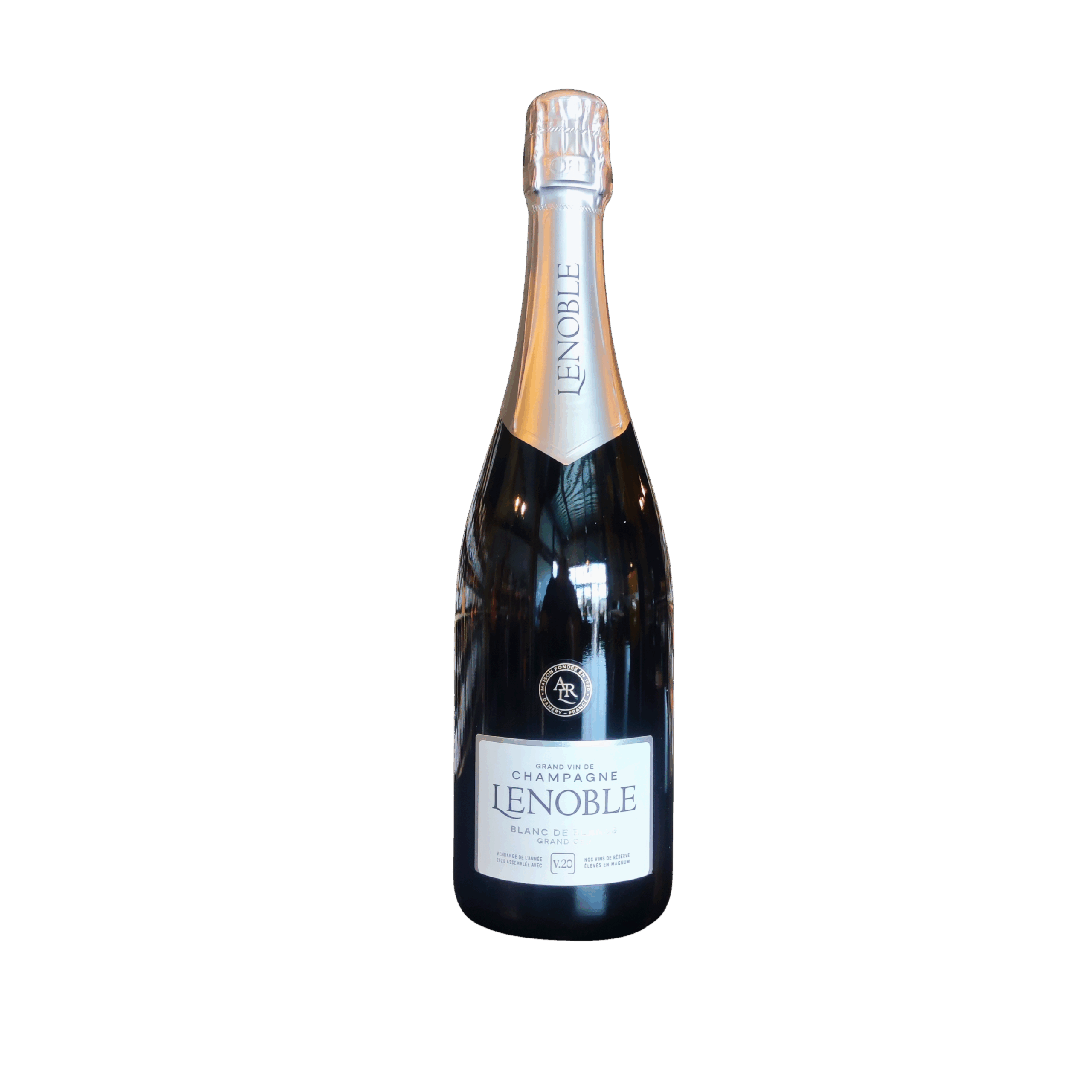
Champagne Lenoble Blanc De Blancs Grand Cru V.20 75cl
58,00 €
The Bacchus selection
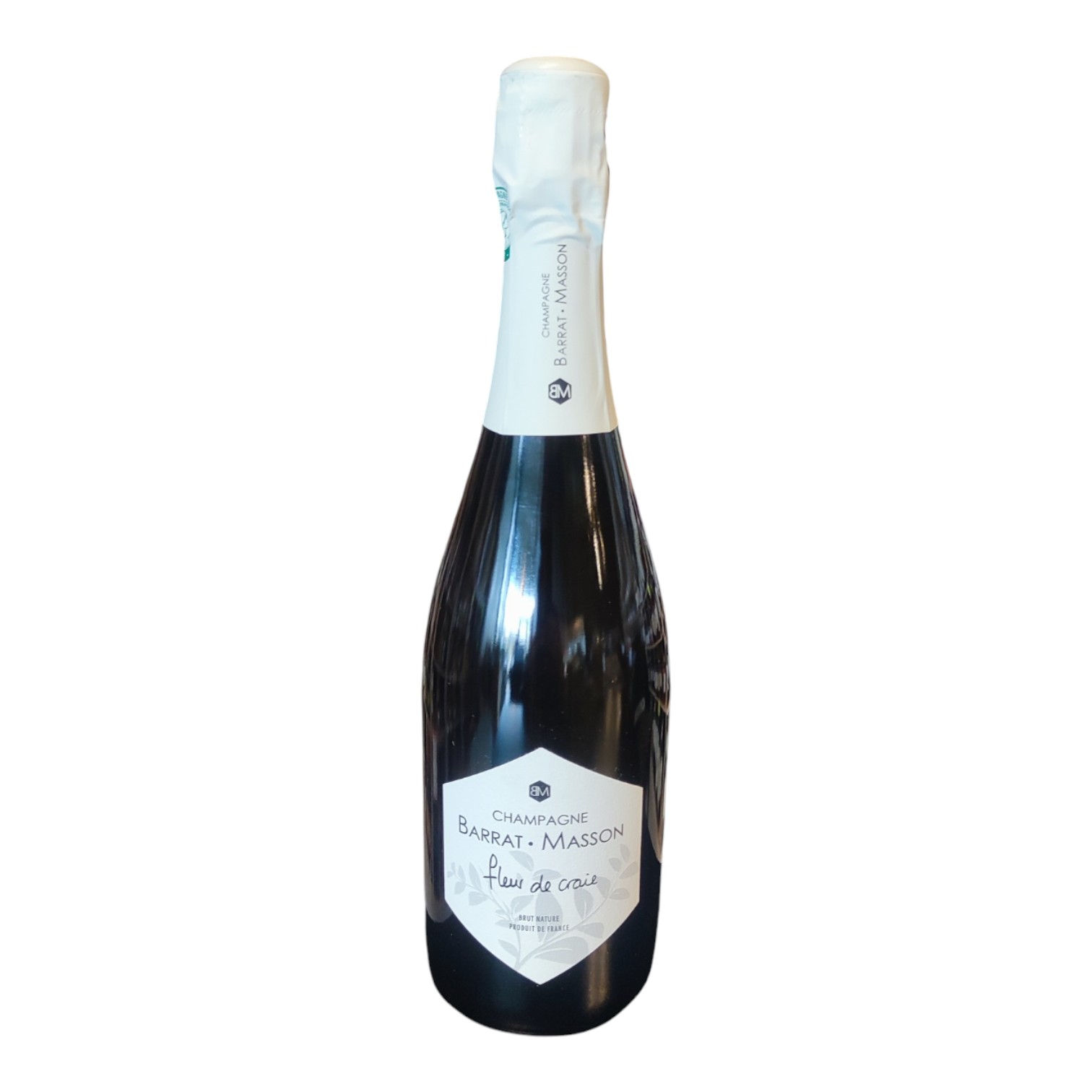
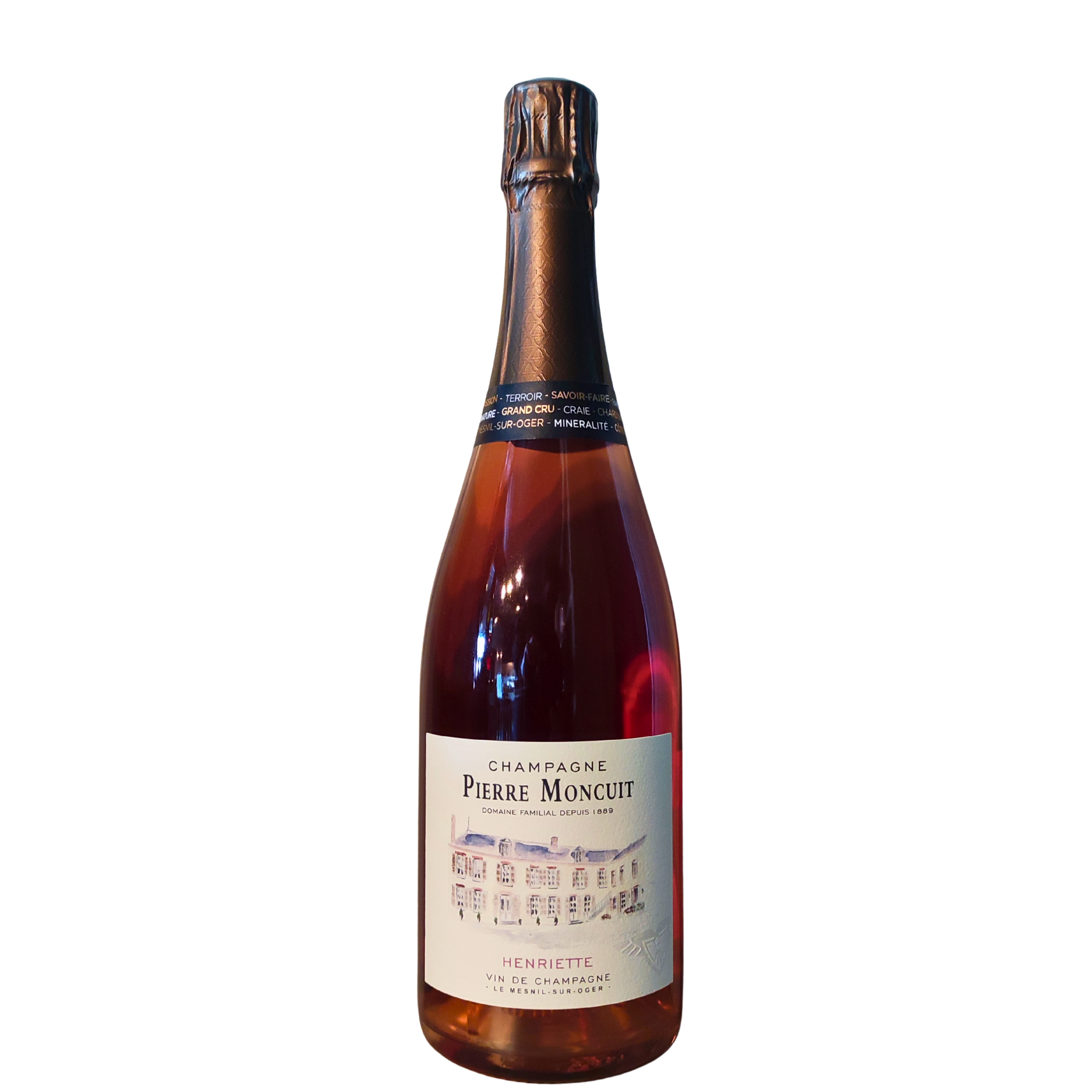
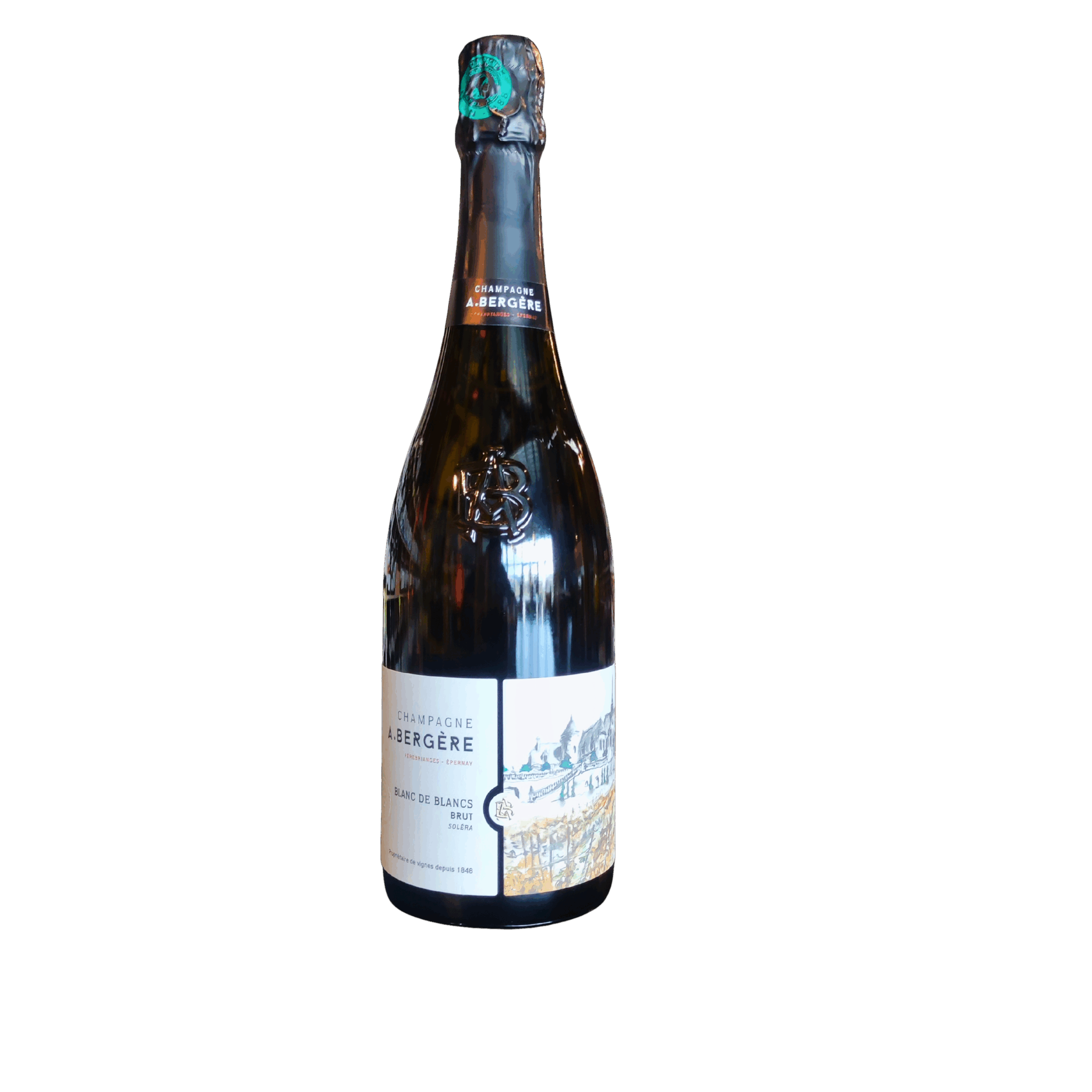
Brut, extra-brut, blanc de blancs, or saignée rosés: our cellar brings together bottles selected one by one. Turn your online Champagne purchase into a true moment of discovery, guided by a passionate wine merchant.
Le guide de votre caviste
Supermarket shelves often display the same labels, purchased in huge volumes and sometimes stored upright under neon lights at fluctuating temperatures. Yet Champagne is a delicate wine: light, heat, and sudden variations alter its freshness and the finesse of its bubbles. At an independent wine merchant, every bottle is stored lying down, protected, in a temperature-controlled cellar until the moment it is shipped. This is the primary guarantee of a tasting experience worthy of what the winemaker intended to craft.
The second advantage is expert advice. Behind every cuvée lie a village, a blend, an aging period on lees, and a precise dosage. We taste everything we offer, allowing us to guide you toward a crisp, taut Champagne for an aperitif, a vinous cuvée for dining, or an age-worthy vintage to set aside for a few years. You no longer choose a brand at random: you choose a style, a personality, an emotion. This approach transforms an ordinary order into a thoughtful selection tailored both to your tastes and to the occasion you are planning.
Récoltants-manipulants cultivate their own vines, vinify their grapes, and craft their cuvées from A to Z. Identifiable by the "RM" label on the bottle, they represent the most vibrant and creative side of modern Champagne. Their wines express a distinct terroir: the chalk of the Côte des Blancs, the clays of the Marne Valley, and the deep soils of the Côte des Bar. Many practice sustainable agriculture, some plow their parcels, and they limit dosage to let the grapes speak for themselves.
We love these family-run estates because they offer remarkable value for money and rare authenticity. In blind tastings, a grower cuvée regularly surprises when pitted against famous household names. Our selection gives pride of place to these artisans, and we refresh it as we discover new tastings and vintages. For an online Champagne purchase off the beaten path, this is where the finest discoveries await: fine bubbles, aromas of white fruit, brioche, or citrus, and a lingering finish that reflects meticulous work in both the vineyard and the cellar.
The Côte des Blancs, with Cramant, Avize, Oger, or Le Mesnil-sur-Oger, yields Chardonnays of crystalline purity. The Montagne de Reims, featuring Verzenay, Ambonnay, or Bouzy, offers powerful, well-structured Pinot Noirs. The Marne Valley favors fruity, generous Meunier, while the Côte des Bar, further south, reveals sun-drenched Pinot Noirs on soils akin to those of Chablis. Knowing these villages helps refine your choices and explains why two seemingly similar bruts offer such contrasting sensations. We systematically mention the origin of the grapes whenever the winemaker specifies it, allowing you to journey from village to village.
Alongside grower estates, the historic houses of Reims, Épernay, or Aÿ remain essential benchmarks. Their expertise rests on the art of blending: bringing together dozens of crus and several years of reserve wines to achieve a recognizable style year after year. Their non-vintage brut is their signature, while their vintage and prestige cuvées rank among the most sought-after wines in the world. Gifting one of these bottles means sharing centuries of history.
We select offerings from these houses for their consistency and their ability to elevate life's milestones: a wedding, an anniversary, a professional success, or New Year's Eve. Gift boxes and magnums naturally find their place on such occasions. To assist you, our product sheets detail the blend, dosage, and aging potential of each cuvée. This allows you to comfortably compare a classic brut, a chiseled blanc de blancs, or a grand oak-aged cuvée before placing your order, knowing precisely what you will uncork on the big day.
Champagne is not a single wine, but a family with many facets. Blanc de blancs, crafted exclusively from Chardonnay, captivates with its tension, chalky minerality, and citrus notes: the ideal match for oysters, scallops, and delicate fish. Blanc de noirs, made from Pinot Noir or Meunier, offers greater roundness, structure, and red berry aromas—perfect with poultry or dishes served in rich sauces.
Rosé Champagne, produced either by blending or saignée, emphasizes indulgence and color, ranging from pale salmon to deep pink. As for dosage, it changes everything: an extra-brut or brut nature, with little to no added sugar, reveals the pure essence of the wine, whereas a demi-sec pairs beautifully with desserts. Lastly, consider vintage Champagnes, produced solely from a single year deemed exceptional, which gain complexity over time. Familiarity with these hallmarks makes every online Champagne purchase more accurate: you pick the style that matches the dish, the moment, and your guests, rather than relying solely on brand recognition.
Aging on the lees also plays a decisive role. Regulations require a minimum of fifteen months for a non-vintage brut and three years for a vintage, but top producers often go well beyond. The longer Champagne rests on its lees, the finer and creamier its bubbles become, and the more its aromas develop in complexity, showcasing notes of brioche, toasted hazelnut, and dried fruit. The disgorgement date, increasingly indicated on the back label, also helps reveal how long the wine has been separated from its lees. We note it whenever it is available.
A bottle of Champagne holds nearly six bars of pressure: it deserves impeccable transport. Every order is prepared by hand in our cellar in Marquise, then safeguarded in specially designed bottle packaging that keeps it secure and cushions against shocks. We partner with carriers experienced in handling fragile goods, and you receive tracking details as soon as your parcel is dispatched.
We place just as much importance on cellar storage before shipping as we do on the transit itself. Bottles remain horizontal and shielded from light right up until the final moment. Upon delivery, we advise letting the Champagne rest for a few days, lying flat in a cool place, before serving it between eight and ten degrees. This simple step allows the bubbles to regain all their finesse after traveling. In this way, buying Champagne online from us guarantees you receive a bottle in the exact same condition as if you had selected it yourself in our shop, with the convenience of delivery and the ability to assemble a varied order in just a few clicks.
Do you live on the Opal Coast or are you traveling through the Boulonnais area? You can order online and pick up your bottles directly from our cellar in Marquise. It is a wonderful opportunity to meet our team, talk about your preferences, and leave with an extra pairing suggestion for your meal. For customers further away, we deliver right to your door or to a pickup point, depending on the option most convenient for you.
Delivery times and shipping fees are clearly displayed before order confirmation, leaving no surprises at checkout. Payment is fully secure, and a detailed confirmation email is sent to you immediately. For gifting, we can help you assemble an assortment tailored to a theme: discovering independent growers, exploring grand crus, or hosting a rosé evening. Making your online Champagne purchase a straightforward, reliable, and personalized experience: that is the commitment we make for every parcel leaving our cellar, whether it is a single bottle or an order for a grand celebration.
For major occasions, consider large formats. The magnum, equivalent to two standard bottles, is regarded by many connoisseurs as the ideal vessel: wine matures more slowly and harmoniously inside it, and the bottle always makes a striking impression on a festive table. When hosting, plan for roughly one bottle for four to six people for an aperitif, and more if Champagne is served throughout the entire meal. We are delighted to help you calculate quantities and mix and match cuvées to satisfy every palate, from fans of crisp, lively bubbles to devotees of rounder, more vinous Champagnes.
A fine Champagne served too cold loses the essence of its aromas; served too warm, it turns heavy and the effervescence dissipates too quickly. The ideal temperature sits between eight and ten degrees for a brut, and slightly warmer for a vintage or prestige cuvée, which benefits from opening up. Steer clear of the freezer: an ice bucket filled with water and ice for twenty to thirty minutes works perfectly.
The choice of glass also matters. The coupe, while elegant, is too wide and lets bubbles and aromas escape. A narrow flute highlights effervescence, whereas a tulip-shaped white wine glass, with its wider bowl, allows vinous Champagnes to express their full complexity. To open the bottle, tilt it slightly, hold the cork firmly, and twist the bottle rather than the cork: the Champagne should sigh, not pop loudly. Pour in two stages, first pouring a small splash to let the foam settle, then filling up to two-thirds. These simple steps transform a bottle into a true tasting experience, where each sip showcases the finesse of the grower's craftsmanship.
Champagne is not reserved exclusively for toasts: it can carry an entire meal. A taut blanc de blancs elevates oysters, caviar, sushi, or scallop carpaccio. A rounder blended brut pairs naturally with gougères, dry-cured ham, or aged hard cheeses like mature Comté. Blanc de noirs and oak-aged Champagnes can easily hold their own against Bresse poultry, mushroom risotto, or fish prepared with a beurre blanc sauce.
Rosé opens up different culinary avenues: it harmonizes with grilled salmon, duck breast, or lightly sweetened red fruit desserts. Mature vintages, with their notes of hazelnut, honey, and toasted brioche, reveal their full nobility alongside aged Chaource cheese or a truffled dish. For sweeter desserts, favor a demi-sec, whose gentle sweetness mirrors the plate. Do not hesitate to ask us for guidance: simply describing your menu is all we need to suggest the most accurate pairing, and that quick exchange is often what makes an online Champagne purchase truly successful, far beyond the mere selection of a bottle.
An opened bottle can be kept for one to two days in the refrigerator, sealed with a specialized airtight stopper. Contrary to popular myth, placing a small spoon in the neck has no proven effect. For longer aging, unopened bottles should be stored lying down, shielded from light, between ten and fourteen degrees. A non-vintage brut is typically enjoyed within three to five years of purchase, whereas an exceptional vintage can evolve gracefully for fifteen years or more, developing increasingly deep and complex nuances.

This website sells alcoholic beverages. To enter, you must be of legal drinking age in your country of residence (18 in France).
Alcohol abuse is dangerous for your health. Please drink responsibly.